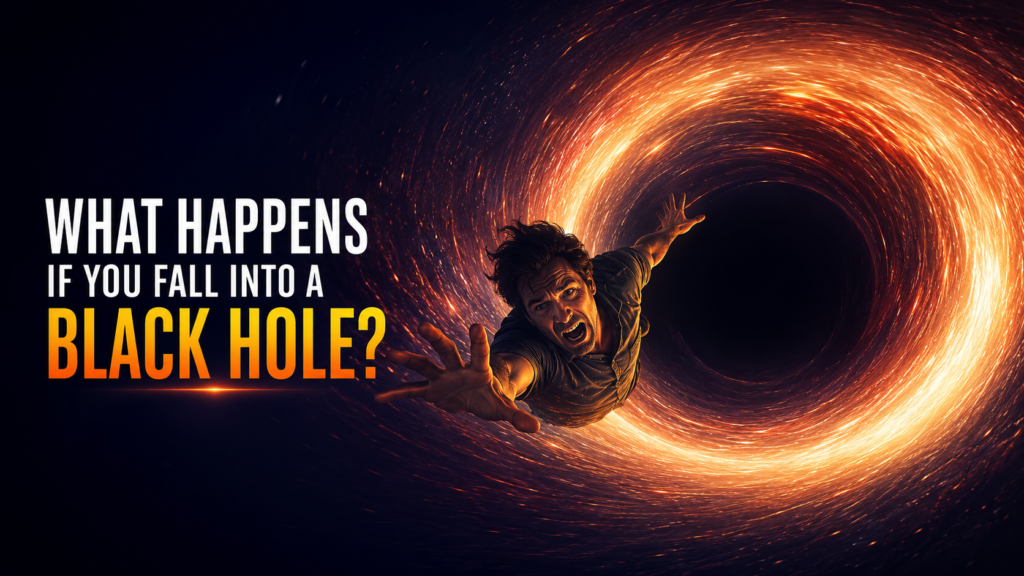
Why Can’t Light Escape a Black Hole? The Science Behind the Event Horizon

universe

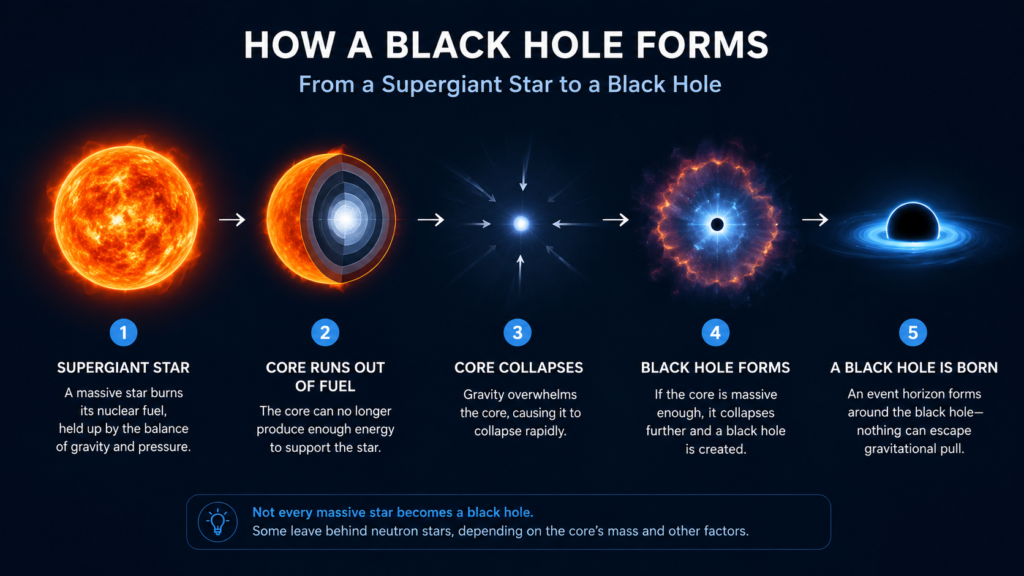
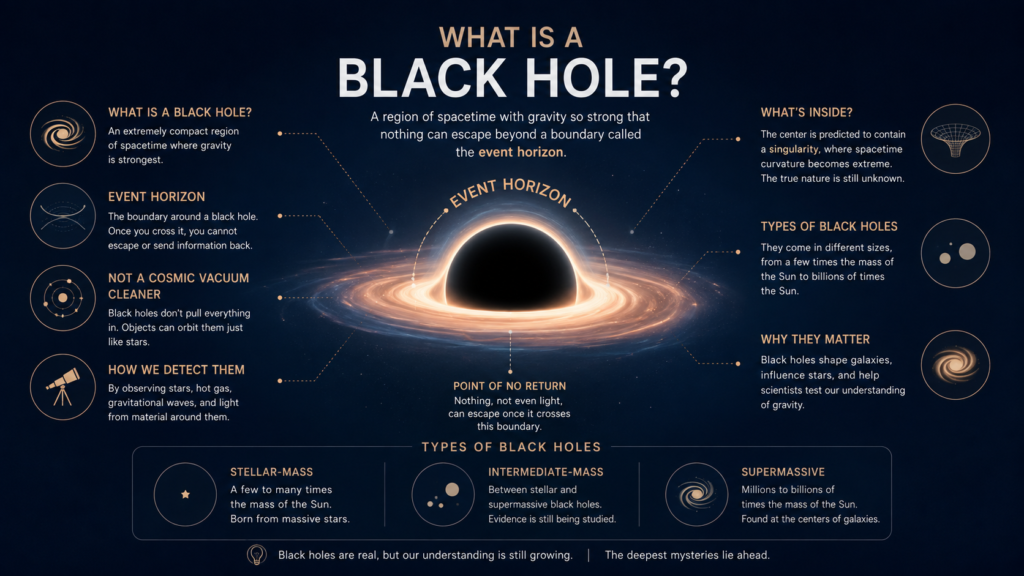
Light travels through space at about 300,000 kilometres per second. Yet once light crosses the boundary of a black hole, it cannot return to the outside universe. Why? The simple answer is not that a black hole “pulls” light backward. According to Einstein’s general relativity, a black hole curves spacetime so strongly that, inside its

Why Can’t Light Escape a Black Hole? The Science Behind the Event Horizon Read Post »

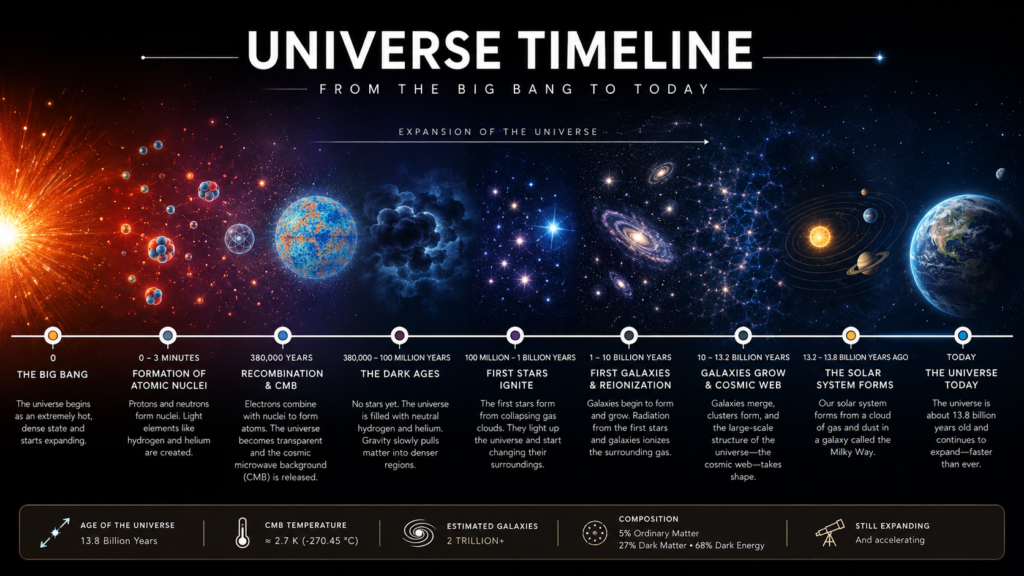
How Did the First Galaxies Form? A Journey Into the Early Universe

universe

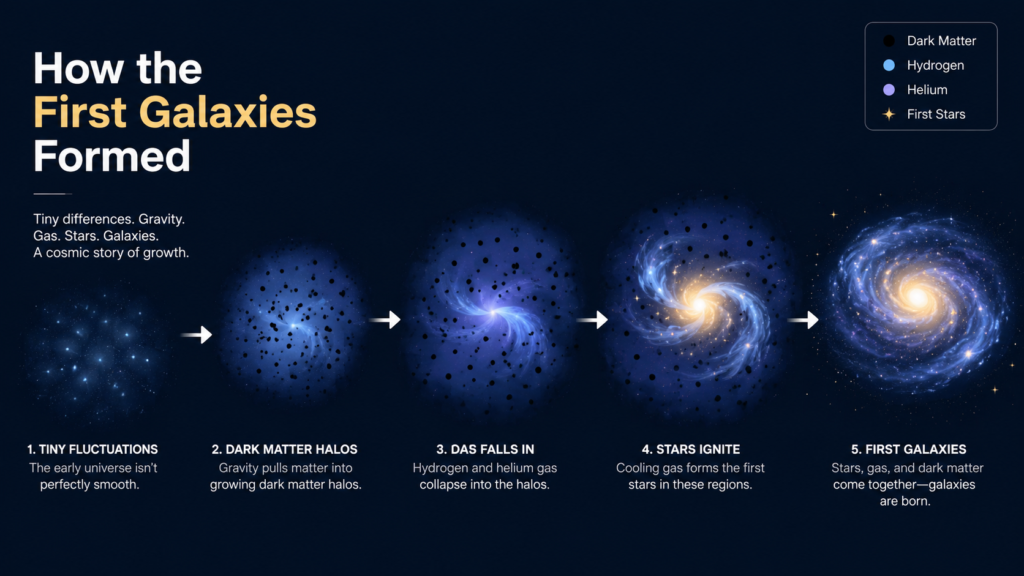
The first galaxies did not appear as finished collections of stars. They grew from small differences in the distribution of matter in the young universe. Gravity gradually amplified those differences, dark matter gathered into increasingly massive halos, gas fell into them, and stars began to form inside these growing structures. That is the basic story

How Did the First Galaxies Form? A Journey Into the Early Universe Read Post »

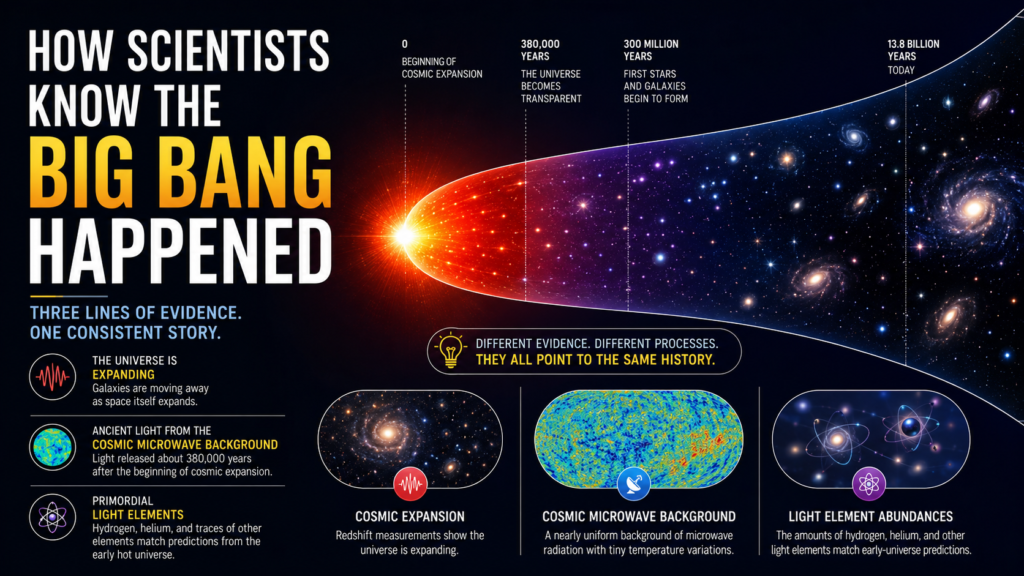
What Is Microwave Background Radiation? The Universe’s Oldest Light Explained

universe

If the first stars had not yet formed, how can we know what the universe looked like when it was only a few hundred thousand years old? The answer is microwave background radiation, more commonly called the cosmic microwave background (CMB). The CMB is ancient electromagnetic radiation that fills the universe. It was released when

What Is Microwave Background Radiation? The Universe’s Oldest Light Explained Read Post »

Scroll to Top