Why Do Planets Orbit the Sun? The Science Explained Simply

Blog

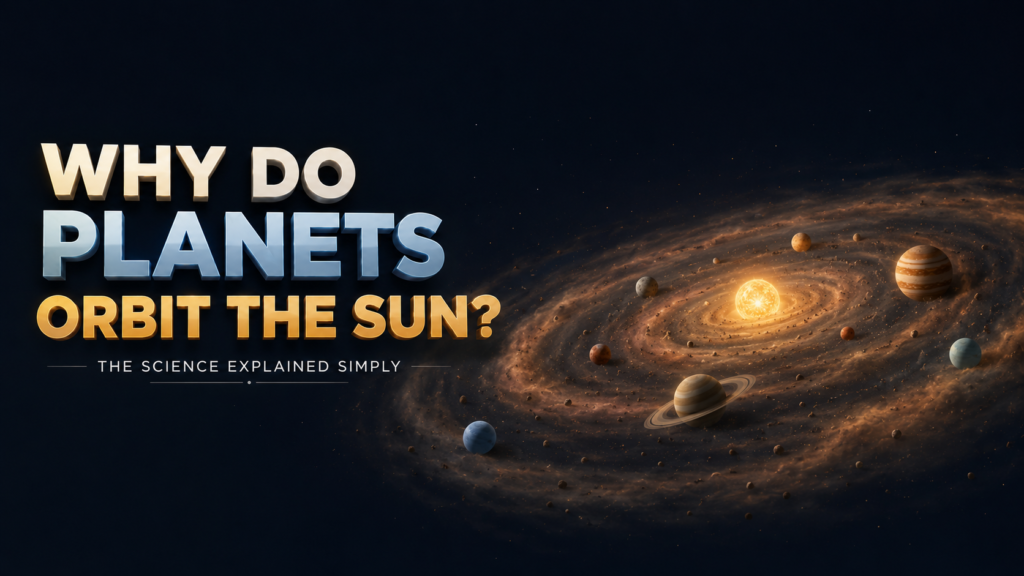
The Sun’s gravity pulls planets toward it, so why don’t they fall into the Sun? The simple answer is that planets are already moving forward through space. The Sun’s gravity continually pulls them inward and changes the direction of that motion, producing a curved path around the Sun. That curved path is an orbit. This

Why Do Planets Orbit the Sun? The Science Explained Simply Read Post »

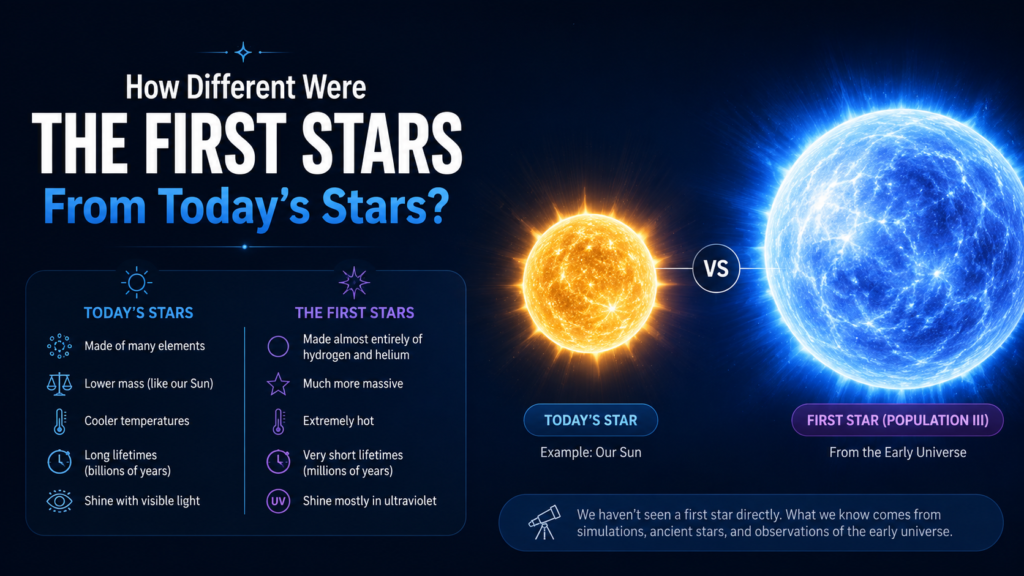
What Were the First Stars Like? How Different Were They From Today’s Stars?

Blog

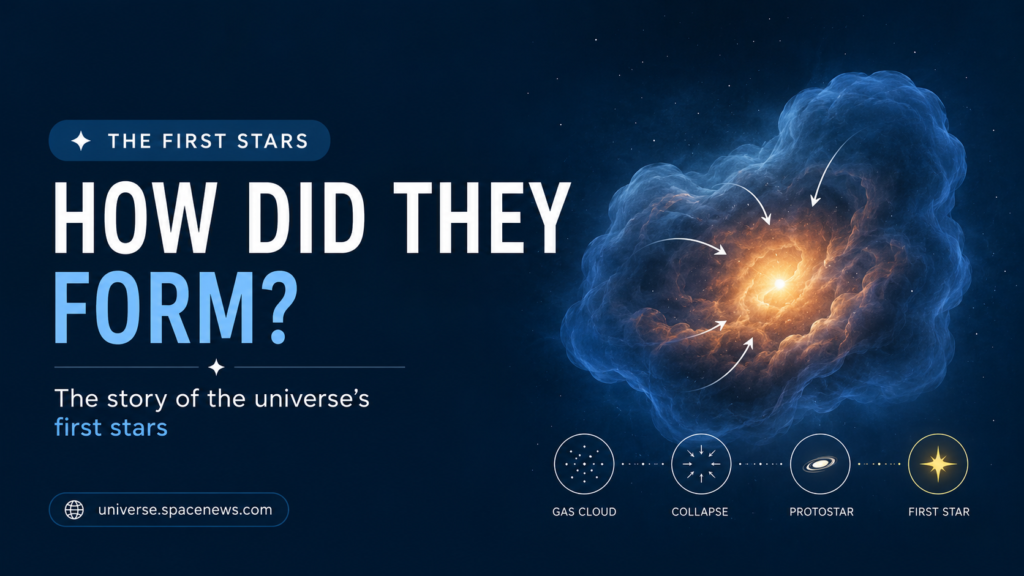
Stars are not all alike. Some are small and relatively cool, while others are enormous, hot and short-lived. The stars we see today also contain elements such as carbon, oxygen and iron that were made by earlier generations of stars. The first stars formed under very different conditions. They appeared during the universe’s early history,

What Were the First Stars Like? How Different Were They From Today’s Stars? Read Post »

Cosmic Inflation: How the Early Universe Expanded in a Fraction of a Second

Blog, universe

Cosmic Inflation: How the Early Universe Expanded in a Fraction of a Second A second after the Big Bang, the universe was already expanding, cooling, and filled with an extremely hot mixture of particles and radiation. But if we move further back into cosmic history, we encounter an even more extreme possibility: cosmic inflation. Inflation

Cosmic Inflation: How the Early Universe Expanded in a Fraction of a Second Read Post »

What Happened One Second After the Big Bang? Inside the Newborn Universe

Blog, universe

What Happened One Second After the Big Bang? Inside the Newborn Universe One second seems almost meaningless on a human timescale. But one second after the Big Bang, the universe was already undergoing enormous physical changes. It was expanding and cooling from an extraordinarily hot, dense state. The temperature was around 10 billion kelvin, or

What Happened One Second After the Big Bang? Inside the Newborn Universe Read Post »

Scroll to Top